Choose the option below that applies to you and follow the step-by-step guidance:
Use the kit to protect the tooth and give it the best chance of saving it.
Follow these steps using household items to keep the tooth safe.
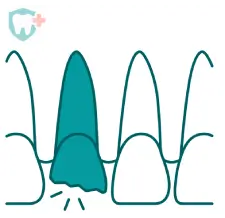
If an adult tooth has been knocked out, follow these steps immediately.
Stay calm and act fast — every minute matters.
Protect yourself and the tooth
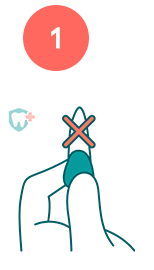
Use tweezers Never touch the root
Use the available gauze.
Do not scrub the tooth
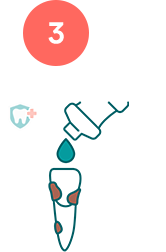
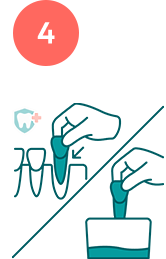
Place the tooth back in the socket and bite on the gauze. If not, place it in the storage tub and gently fill it with saline or milk.
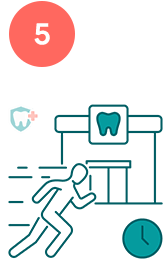
Take the tooth and the kit with you!

Hold the tooth by the crown, never the root.

Rinse gently if dirty - do not scrub the tooth.

Keep the tooth moist at all times.

Do not replant baby teeth or adult teeth that were very loose due to gum disease.

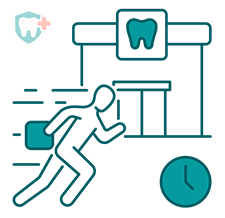
Seek help from a dentist as soon as possible - ideally within 60 minutes.

Try your nearest dentist - they can assist with a knocked out tooth.

If you don’t have a ToothRevive kit available, you can still take immediate steps to protect the tooth while arranging urgent dental care.
After first aid, urgent dental assessment is essential. Use our dentist finder to locate local dental services and understand what to expect next.
Not all dental injuries involve a knocked-out tooth. If the tooth is chipped, loose, pushed in, or there is a soft tissue injury, select the injury type to see the appropriate guidance.
If an adult tooth has been knocked out, stay calm and follow these steps quickly.
Every minute matters.
Hold the top part of the tooth. Never touch the root.
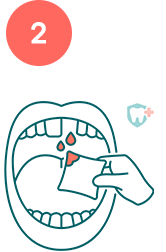
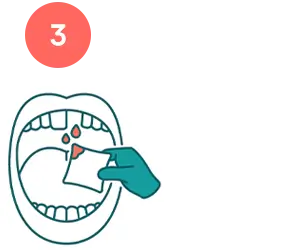
Clean any blood around the socket and mouth
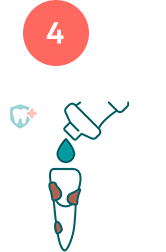
Rinse the tooth very gently if dirty Do not scrub the tooth.
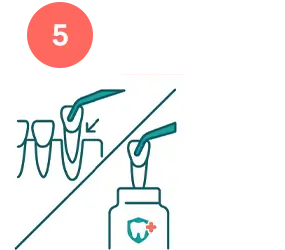
place the tooth back in the socket and bite on gauze/tissue. If not place it in a cup of milk/saliva/saline
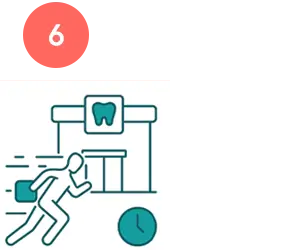
Go to a dentist immediately Take the tooth with you

Hold the tooth by the crown, never the root.

Rinse gently if dirty - do not scrub the tooth.

Keep the tooth moist at all times.

Do not replant baby teeth or adult teeth that were very loose due to gum disease.

Seek urgent dental care - within 60 minutes.

Try your nearest dentist - any dentist will usually assist in an avulsion emergency (knocked out tooth)
After first aid, urgent dental assessment is essential. Use our dentist finder to locate local dental services and understand what to expect next.
Not all dental injuries involve a knocked-out tooth. If the tooth is chipped, loose, pushed in, or there is a soft tissue injury, select the injury type to see the appropriate guidance.
ToothRevive is designed to give clear guidance and essential items for a knocked-out tooth emergency. While you can still follow the steps on this page, having the kit ready can make future incidents easier to manage.
Moved tooth
Broken tooth
Pushed in
Loosened
Soft tissue Injury
Broken jaw bone
ToothRevive is a dental trauma response kit designed to help you act calmly and correctly when a tooth is knocked out.
It combines clear, step-by-step guidance with essential items in one compact case, supporting the first steps after a dental injury before you reach a dentist.
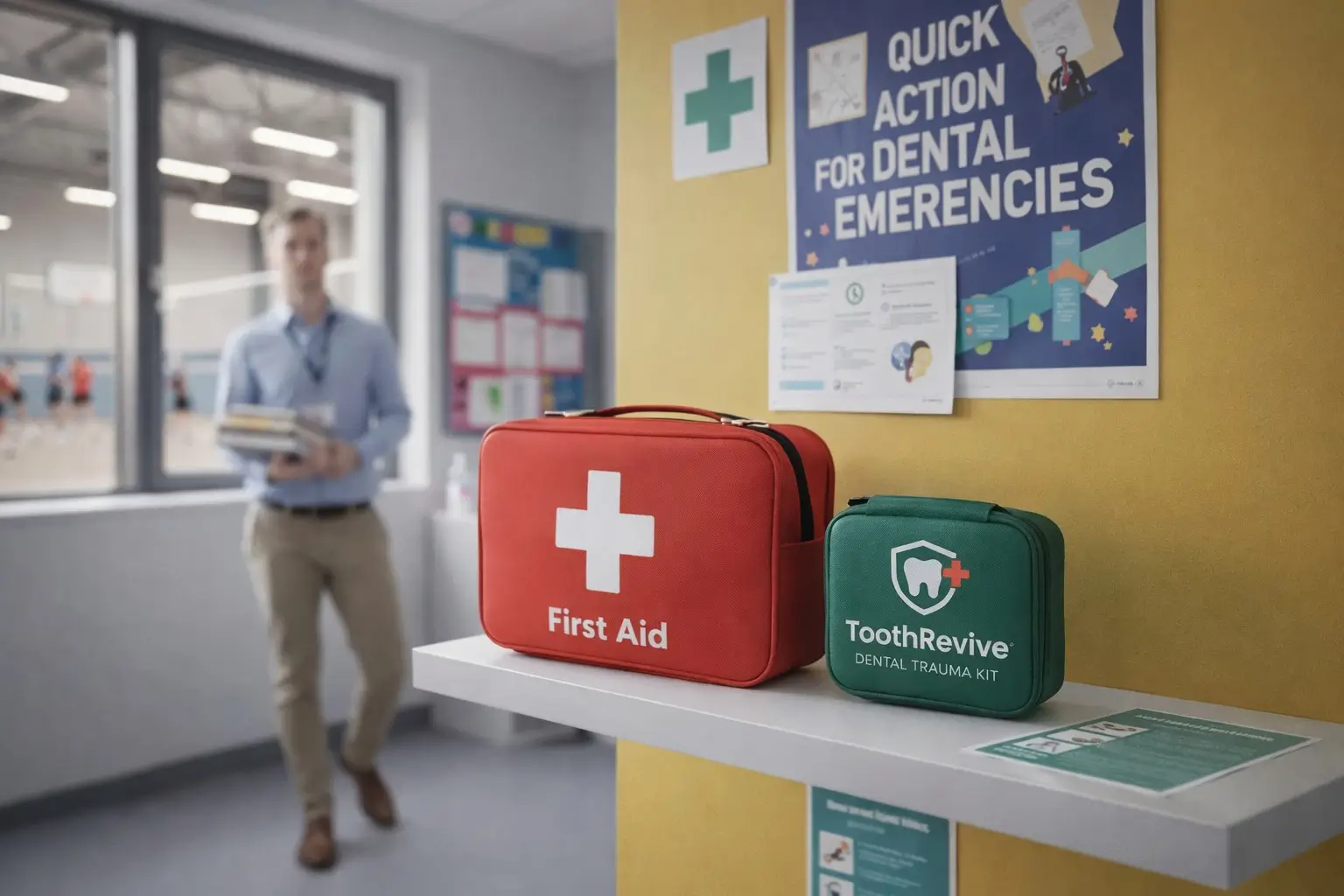
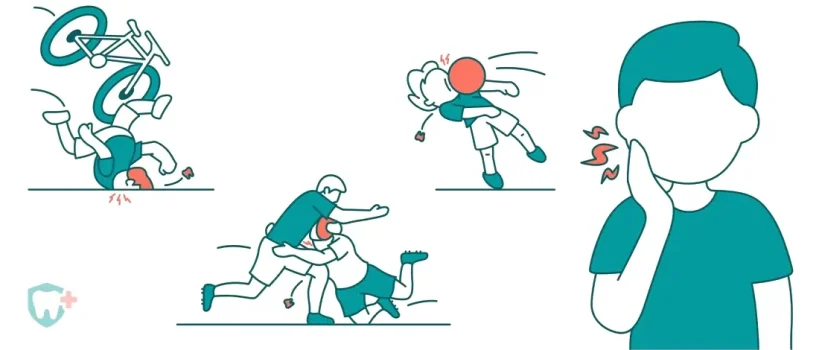
Dental injuries can happen anywhere, especially in schools, sports clubs, gyms, and workplaces.
The ToothRevive Dental Trauma Kit helps organisations stay prepared with clear guidance and a dedicated kit to support the first steps after a dental injury. Being prepared can make it easier to respond appropriately in the moments following an incident.
Often, yes – especially for a permanent (adult) tooth if you act immediately. The sooner the tooth is replanted or stored correctly, the better the chance of saving it. Never put a baby tooth back in, but still see a dentist to check the injury. Read our full step-by-step guide for a knocked-out permanent tooth.
For an adult tooth, gently rinsing it (holding it by the crown, not the root) and re-inserting it into the socket is the best option if you’re able to do it safely and the person is conscious and cooperative. If you can’t, storing it correctly and getting to a dentist fast is the next best thing. Never try to re-insert a baby tooth.
Milk is one of the most widely recommended options if you do not have a suitable tooth-storage solution. Keep the tooth moist and avoid letting it dry out or wrapping it in tissue.
Yes, significantly. Adult teeth are worth trying to save and re-insert. Baby (primary) teeth are not re-implanted, as this can damage the developing adult tooth underneath — but the injury should still be checked by a dentist. Not sure which type it is? See how to tell the difference.
As soon as possible. Do not wait – a knocked-out permanent tooth needs emergency dental care. NHS guidance says emergency dental care should be offered within 1 hour, or as soon as possible. See our guide on choosing between a dentist, NHS 111, A&E or 999.
Enter your email to unlock this free resource.
Clinically verified
Written by Dr Yousuf Ibrahim, a UK-registered dentist, in line with current dental trauma clinical guidelines.