A knocked-out baby (milk) tooth looks alarming, but it’s rarely a race against the clock the way a permanent tooth is. The single most important thing to know: do not try to put a baby tooth back in. Comfort the child, control any bleeding, and get it checked by a dentist.
This matters, because the advice is different. If you’re not sure, see our guide on telling a baby tooth from a permanent tooth. As a quick check:
This is different from a permanent tooth, and it’s not a smaller version of the same emergency. Underneath every baby tooth sits the developing permanent tooth that will eventually take its place. Pushing a baby tooth back into the socket risks damaging that permanent tooth as it forms — so even though it feels like the instinctive thing to do, leaving it out is the safer choice.
I can’t find the tooth.
This is far less urgent than with a permanent tooth. If there’s any chance it could have been swallowed or inhaled — for example, if the child coughed or seemed to choke — mention this to the dentist or call NHS 111 for advice, just to be safe.
The tooth wasn’t fully knocked out, just loosened or pushed sideways.
Still book a dentist appointment. A loosened or displaced baby tooth needs the same professional check, even without full avulsion.
I’m not sure if it’s a baby or permanent tooth.
Don’t attempt to replant it either way, and get it checked by a dentist as soon as reasonably possible — being cautious costs nothing here.
The dentist will check the socket, confirm the rest of the tooth hasn’t fractured below the gumline, and take a look to make sure the permanent tooth developing underneath hasn’t been affected. In many cases, no treatment is needed beyond this check. They’ll let you know if any follow-up or monitoring is required as the permanent tooth continues to develop.
Once you’ve seen a dentist, everyday care is usually straightforward — gentle brushing around the area and normal soft foods for a day or so while any soreness settles. If you notice ongoing swelling, pain, or anything that seems to be affecting the permanent tooth as it comes through later on, get it checked again.
The Knocked-Out Tooth Poster covers the permanent-tooth emergency steps and is worth having on hand regardless — the baby-tooth advice above is short enough to remember, but knowing the difference matters. Download free
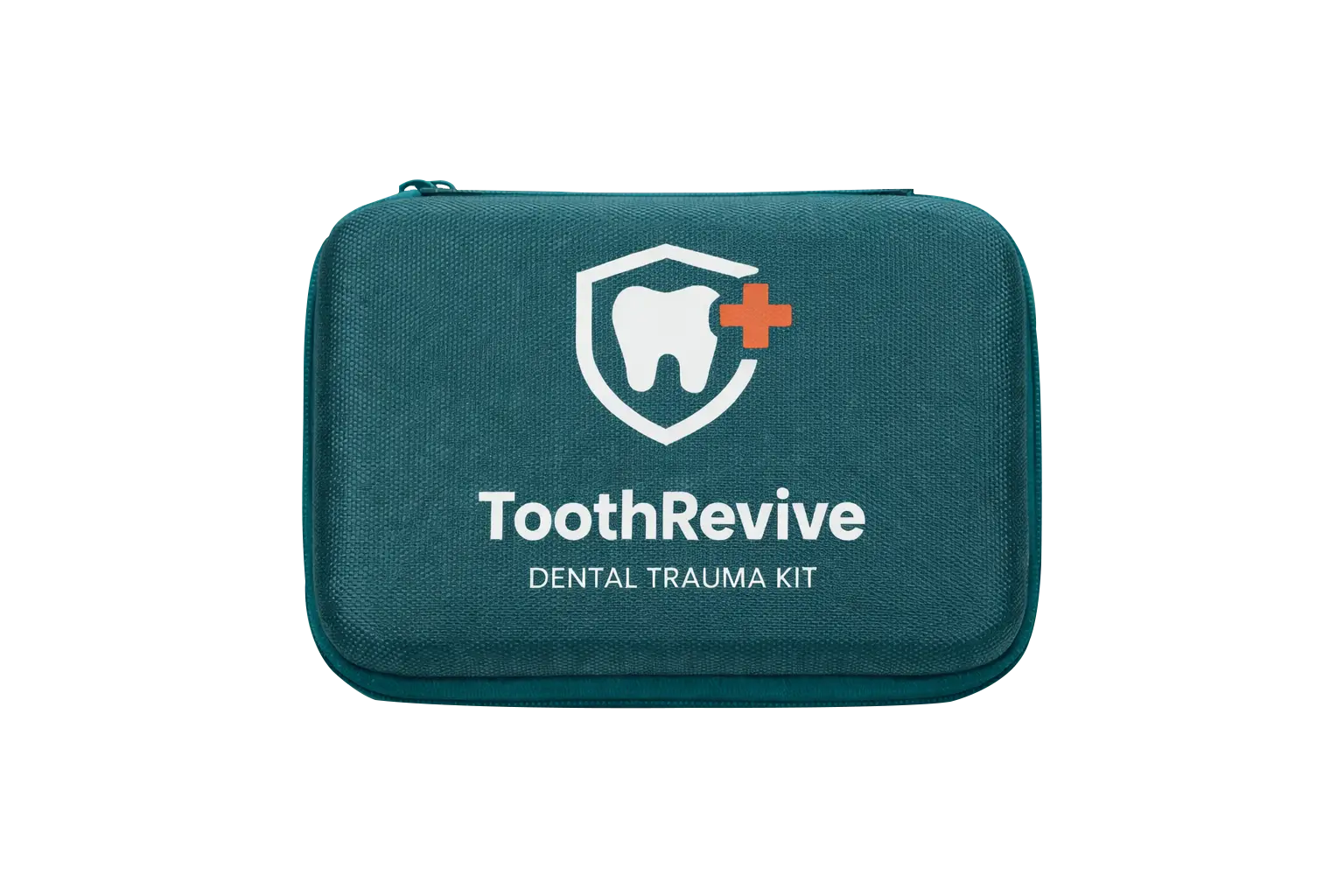
Having a calm, clear plan for a fall — knowing what to check, what to do, and that it’s usually not a race against the clock — makes these moments easier to handle. Learn about the ToothRevive Kit
This guide does not replace assessment by a dentist or emergency service. It reflects current international and UK guidance, reviewed by Dr Yousuf Ibrahim, BDS.
About the author
General Dental Practitioner and Founder of ToothRevive
Published on dentistry.co.uk: “Dental trauma is a first aid problem, not just a dental one”, 7 October 2026.
The first few minutes can make all the difference.
Our Dental Trauma Kit contains everything you need to act fast and protect a knocked-out tooth.
Enter your email to unlock this free resource.
Clinically verified
Written by Dr Yousuf Ibrahim, a UK-registered dentist, in line with current dental trauma clinical guidelines.