Dental Trauma First Aid for Sports Coaches

A knock to the mouth is one of the more common injuries in contact and field sports — seen across football, rugby, hockey, martial arts, basketball, cricket, cycling and many others. Knowing the immediate steps, and having a clear plan for who does what pitchside, makes a real difference to how well it’s handled.

If a player has a dental injury

  • Stop play and get the player off the pitch
  • Identify the injury type
  • Follow the correct guide (links below)
  • Contact the parent or carer
  • Arrange dental assessment, urgently where needed
  • Record what happened afterwards

What this guide covers

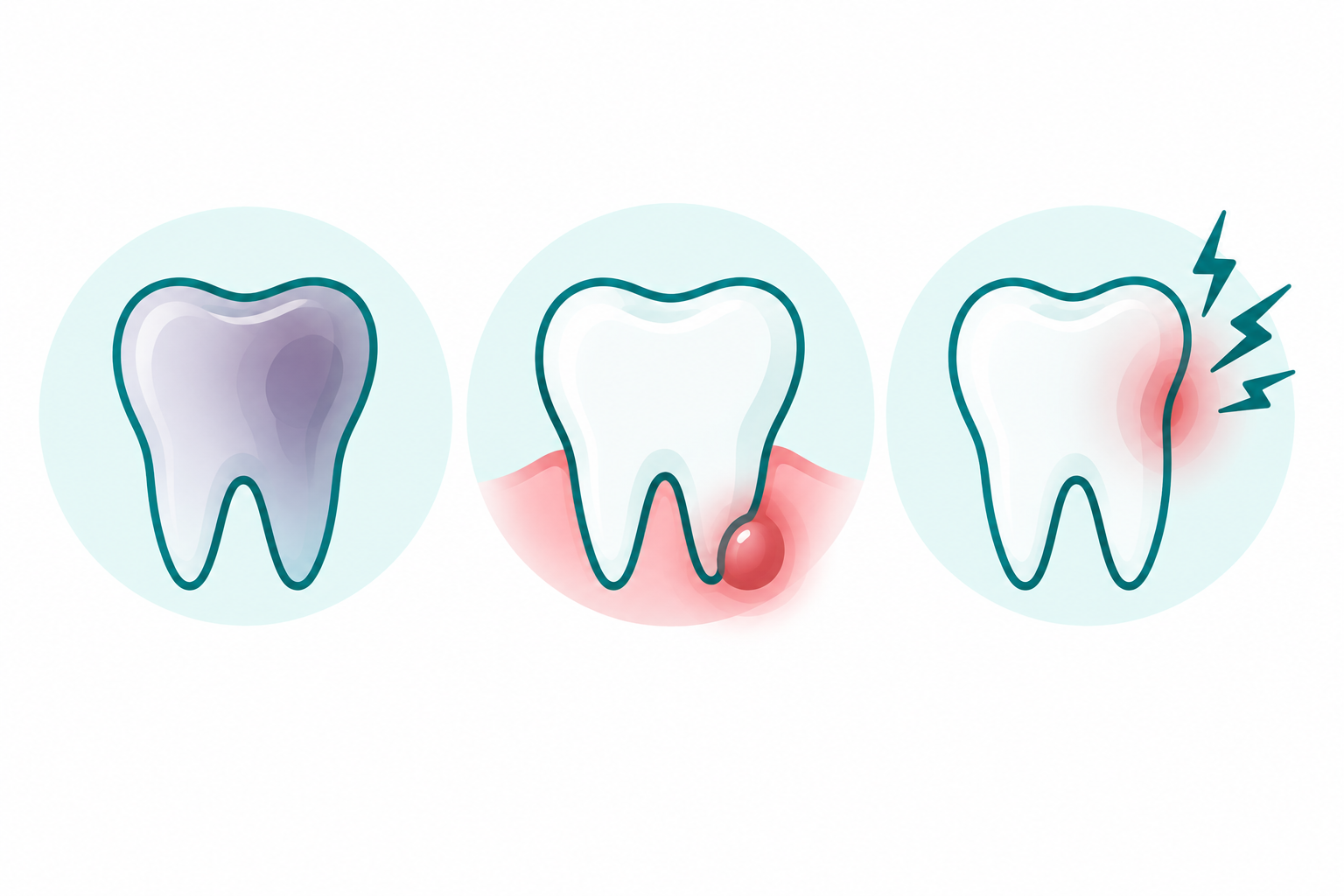
This page is about preparing for and managing dental injuries as a coach or club — roles, equipment, and where to find the specific first-aid steps. For the actual step-by-step response to a specific injury, see the relevant guide:

Before an incident happens

Every coach or club should know, in advance:

  • Who responds first, and who makes contact calls
  • Where dental first-aid supplies are kept (pitchside, not in a locked office)
  • Where the injury guides are (printed sideline card, or a saved link/QR code)
  • Who contacts parents, particularly at away fixtures

This matters most for contact sports, and for training sessions as much as matches — injuries aren’t limited to competitive fixtures.

Roles during an incident

Deciding this in advance, rather than in the moment, makes a real difference:

  • One coach or first aider stays with the injured player, manages the tooth (find it, store it correctly, keep it safe) and follows the relevant first-aid guide
  • A second person contacts a dentist or NHS 111, and arranges appropriate supervision for the player and contact with a parent or carer where applicable — not every player will have a parent present, particularly in adult or university-level clubs
  • If you’re coaching alone, prioritise the player and the tooth first, then make contact as soon as it’s safe to do so

What to have ready

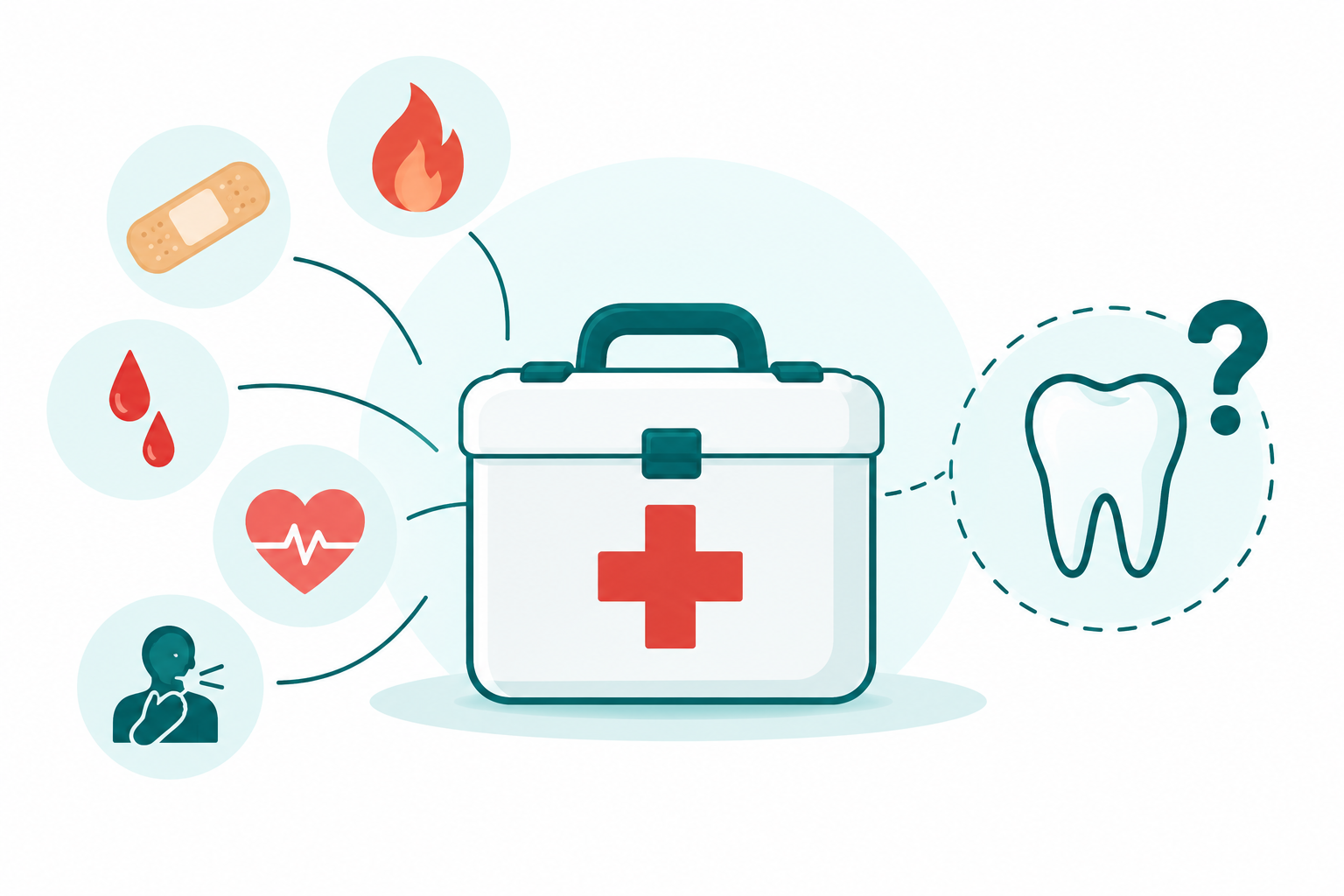
Most sideline first-aid bags are stocked for the injuries that come up most in that sport — strains, cuts, knocks — and don’t include what’s actually needed for a dental injury, particularly safe storage for a knocked-out tooth. Worth checking what’s in yours:

  • Something suitable for storing a knocked-out tooth safely (milk, saline, or a proper storage medium — not just whatever’s on hand)
  • The relevant emergency contact numbers (local dentist, NHS 111) saved somewhere accessible
  • A printed copy or saved link to the injury guides above, easy to check under pressure

Prevention is better than treatment

Dental injuries can’t always be prevented, but a well-fitting mouthguard significantly reduces the risk in many contact sports. Encourage players to wear an appropriate mouthguard during matches and training, not just competitive fixtures, and replace one that’s damaged or no longer fits well. See our Sports Mouthguard Guidance for how to choose one.

Can the player return to the pitch?

This depends on the injury and should be a cautious decision, not a quick one. A player with a knocked-out, chipped, loose or displaced tooth should not return to play until they’ve been assessed — the priority is getting appropriate dental care, not finishing the session or match.

After the incident

Once the player has received appropriate care:

  • Note what happened, for your own records and to share with parents if needed
  • Check whether any first-aid supplies need restocking
  • Consider whether any change to mouthguard use or supervision is worth discussing with the player or parent

Common mistakes

  • Sending a player back onto the pitch too soon, before dental assessment
  • Assuming a chipped tooth isn’t worth a dentist visit because the player “seems fine”
  • Not having anything suitable pitchside for storing a knocked-out tooth safely
  • Scrubbing a knocked-out tooth to “clean” it, rather than a brief gentle rinse
  • Not knowing whether it’s a baby or permanent tooth before deciding what to do — this matters more with younger age groups

Training and awareness

Dental trauma first aid isn’t always covered in general sports first-aid training, so it’s worth a short, separate briefing for coaches, particularly for contact sports and younger age groups where mixed dentition is common.

At away fixtures and tournaments

The same roles and steps apply, but away from your usual ground it’s worth confirming in advance who’s responsible for dental first-aid supplies, and having a way to find the nearest emergency dental option at the venue.

Annual club checklist

  • Suitable storage medium or container for a knocked-out tooth available pitchside
  • Poster or injury guides displayed or accessible
  • Coaches know the procedure and their roles
  • Parent or emergency contacts up to date
  • Mouthguard use encouraged and checked

Downloads for sports clubs

  • Knocked-Out Tooth Poster — available now
  • Dental Trauma Decision Flowchart — available now
  • Sports Mouthguard Guidance — available now

Download the Knocked-Out Tooth Poster free

Related guides

Being ready for a gap most first-aid kits don’t cover

Dental injuries come up often enough in sport that it’s worth checking your first-aid provision actually covers one, rather than assuming it does. Learn about the ToothRevive Kit for clubs

References

  • International Association of Dental Traumatology (IADT), Guidelines for the Management of Traumatic Dental Injuries, 2020 (current as of August 2026)
  • NHS, Knocked-out tooth, nhs.uk
  • Health and Safety Executive, guidance on running a safe amateur sports club

This guide does not replace your club’s own policies, or assessment by a dentist or emergency service. It reflects current international and UK guidance, reviewed by Dr Yousuf Ibrahim, BDS.

Related Guides

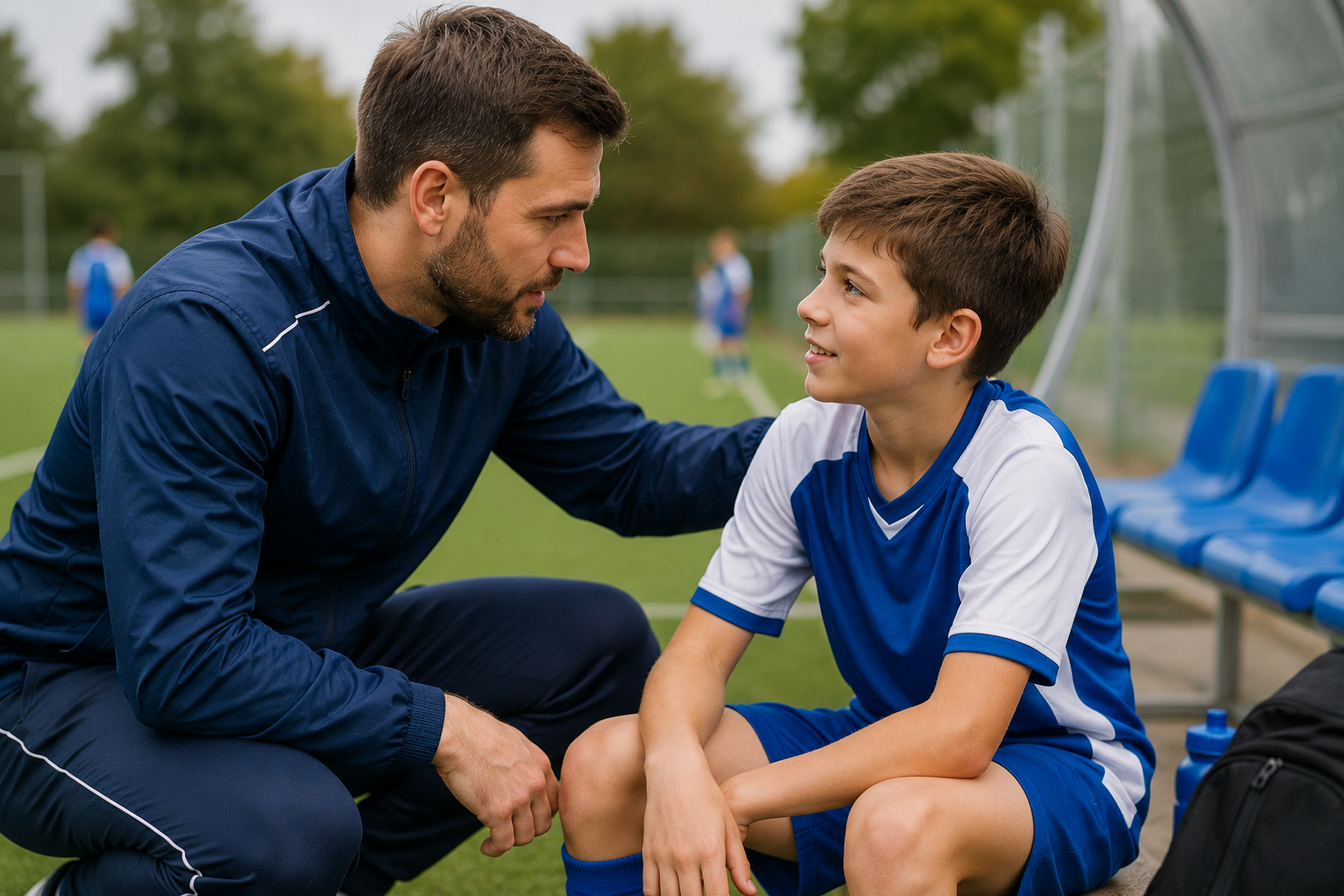
Sports coach checking a player's mouth after a dental injury on the pitch

Dental Trauma First Aid for Sports Coaches

Teacher providing first aid to a pupil after a dental injury at school

Dental Trauma First Aid for Schools

Parent comforting a child after a dental injury at home

A Parent’s Guide to Dental Injuries in Children

Dentist examining a tooth that has been pushed out of position after an injury

What to Do if a Tooth Is Pushed In, Out or Sideways

Person gently checking a tooth that has become loose after an injury

What to Do if a Tooth Becomes Loose After an Injury

Close-up of a person checking a chipped or broken tooth after an injury

What to Do if a Tooth Is Chipped or Broken

Compact teal ToothRevive dental trauma kit pouch with logo against a black background.

Be prepared for the dental emergency nobody expects.

The first few minutes can make all the difference.
Our Dental Trauma Kit contains everything you need to act fast and protect a knocked-out tooth.

Almost There!

Enter your email to unlock this free resource.

Download PDF Form