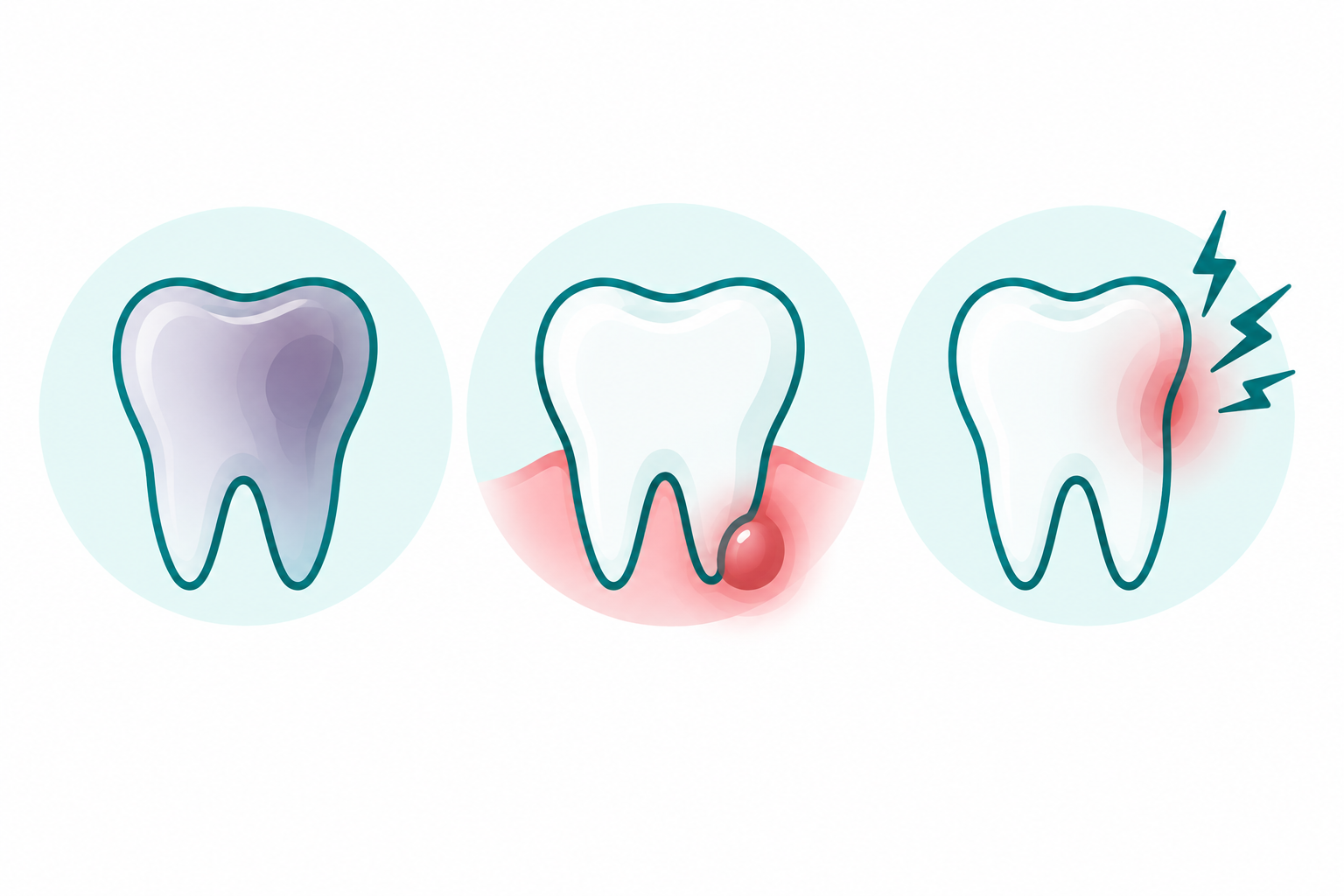
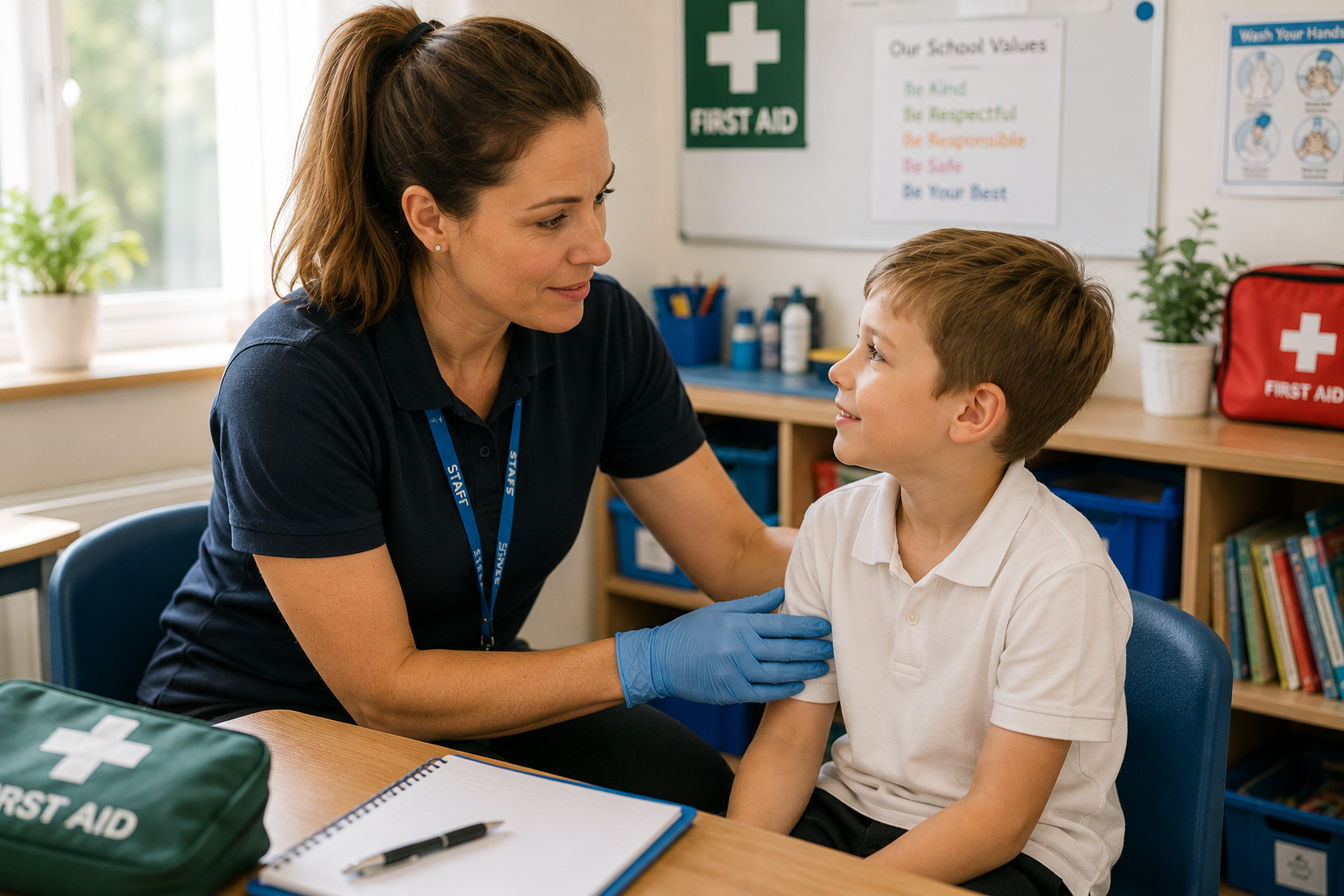
Dental injuries are one of the more common things school staff deal with — during PE, on the playground, or on a school trip. Knowing the immediate steps, and having a clear plan for who does what, makes these moments far less stressful to manage.
This page is about preparing for and managing dental injuries as a school — roles, equipment, recording, and where to send staff for the specific first-aid steps. For the actual step-by-step response to a specific injury, see the relevant guide:
Every school should know, in advance:
Most injuries happen during PE, football and other contact activities, and unsupervised playground moments — it’s worth this being clearest for staff supervising those times specifically.
Deciding this in advance, rather than in the moment, makes a real difference:
Most school first-aid kits are built for the injuries that come up most often — cuts, sprains, bumps — rather than dental injuries specifically. It’s worth checking whether yours includes what’s needed for a dental injury, particularly safe storage for a knocked-out tooth. At minimum:
Once the immediate response is underway — not before — record what happened: what occurred, which tooth was affected, what action was taken, and who was contacted. This supports continuity of care if the pupil needs follow-up, and forms part of your school’s normal incident-recording process.
Once the pupil has received appropriate care:
Dental trauma first aid isn’t always covered in general first-aid training, so it’s worth a short, separate briefing for staff who supervise pupils at higher-risk times — PE, break times, and school trips. Revisiting this periodically, rather than as a one-off, helps staff feel confident responding when it actually happens.
UK schools are required to make appropriate first-aid arrangements for pupils, and to keep relevant risk assessments under review. This guide is designed to help you turn that general responsibility into a practical, dental-specific plan — it isn’t legal advice, and schools should check their own policies, insurer requirements and local authority or trust guidance for anything specific to their setting.
Most dental trauma incidents at school are not reportable under RIDDOR (the regulations covering reportable workplace injuries) — but your school’s own incident-recording process should still capture what happened, for continuity of care and for your own records.
The same roles and steps apply, but off-site it’s worth confirming in advance: what you’d use to store a knocked-out tooth safely, what the nearest emergency dental option is at the destination, and how parents will be contacted while away from school.
Download the Knocked-Out Tooth Poster free
Dental injuries are common enough at school that it’s worth checking your first-aid provision actually covers one, rather than assuming it does. Learn about the ToothRevive Kit for schools
This guide does not replace your school’s own policies, legal advice, or assessment by a dentist or emergency service. It reflects current international and UK guidance, reviewed by Dr Yousuf Ibrahim, BDS.
About the author
General Dental Practitioner and Founder of ToothRevive
Published on dentistry.co.uk: “Dental trauma is a first aid problem, not just a dental one”, 7 October 2026.
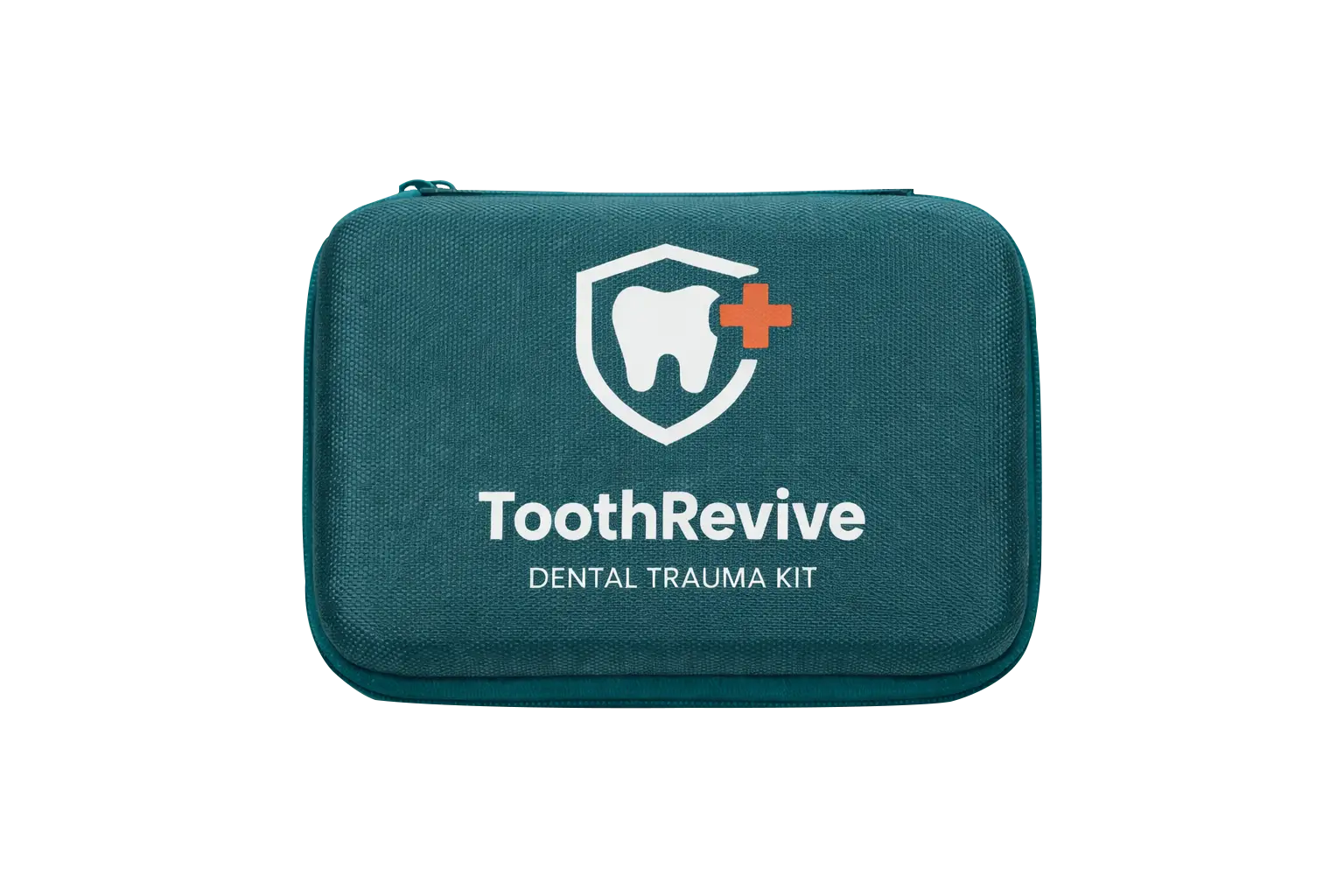
The first few minutes can make all the difference.
Our Dental Trauma Kit contains everything you need to act fast and protect a knocked-out tooth.
Enter your email to unlock this free resource.
Clinically verified
Written by Dr Yousuf Ibrahim, a UK-registered dentist, in line with current dental trauma clinical guidelines.