A knock to the mouth is one of the more common injuries in contact and field sports — seen across football, rugby, hockey, martial arts, basketball, cricket, cycling and many others. Knowing the immediate steps, and having a clear plan for who does what pitchside, makes a real difference to how well it’s handled.
This page is about preparing for and managing dental injuries as a coach or club — roles, equipment, and where to find the specific first-aid steps. For the actual step-by-step response to a specific injury, see the relevant guide:
Every coach or club should know, in advance:
This matters most for contact sports, and for training sessions as much as matches — injuries aren’t limited to competitive fixtures.
Deciding this in advance, rather than in the moment, makes a real difference:
Most sideline first-aid bags are stocked for the injuries that come up most in that sport — strains, cuts, knocks — and don’t include what’s actually needed for a dental injury, particularly safe storage for a knocked-out tooth. Worth checking what’s in yours:
Dental injuries can’t always be prevented, but a well-fitting mouthguard significantly reduces the risk in many contact sports. Encourage players to wear an appropriate mouthguard during matches and training, not just competitive fixtures, and replace one that’s damaged or no longer fits well. See our Sports Mouthguard Guidance for how to choose one.
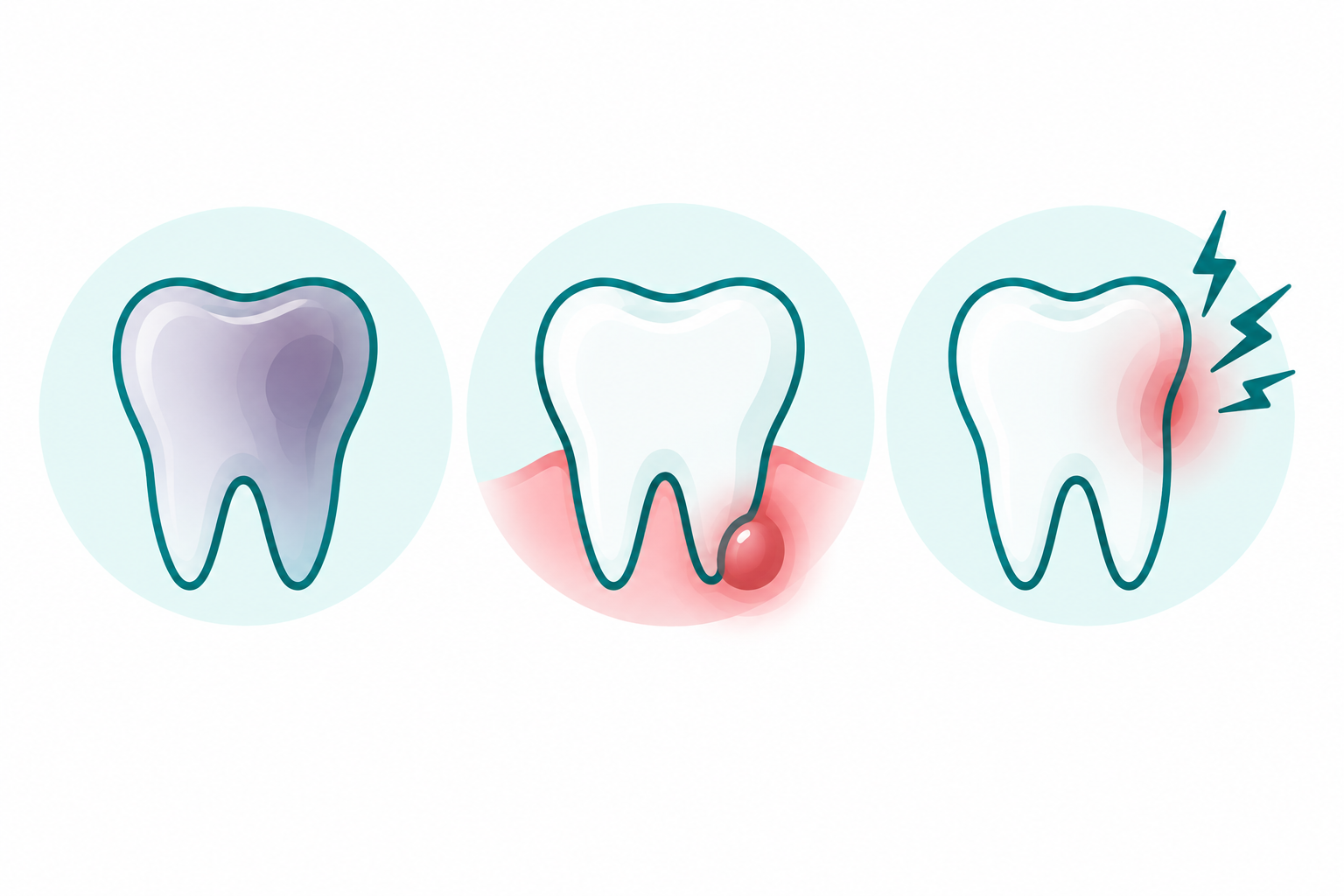
This depends on the injury and should be a cautious decision, not a quick one. A player with a knocked-out, chipped, loose or displaced tooth should not return to play until they’ve been assessed — the priority is getting appropriate dental care, not finishing the session or match.
Once the player has received appropriate care:
Dental trauma first aid isn’t always covered in general sports first-aid training, so it’s worth a short, separate briefing for coaches, particularly for contact sports and younger age groups where mixed dentition is common.
The same roles and steps apply, but away from your usual ground it’s worth confirming in advance who’s responsible for dental first-aid supplies, and having a way to find the nearest emergency dental option at the venue.
Download the Knocked-Out Tooth Poster free
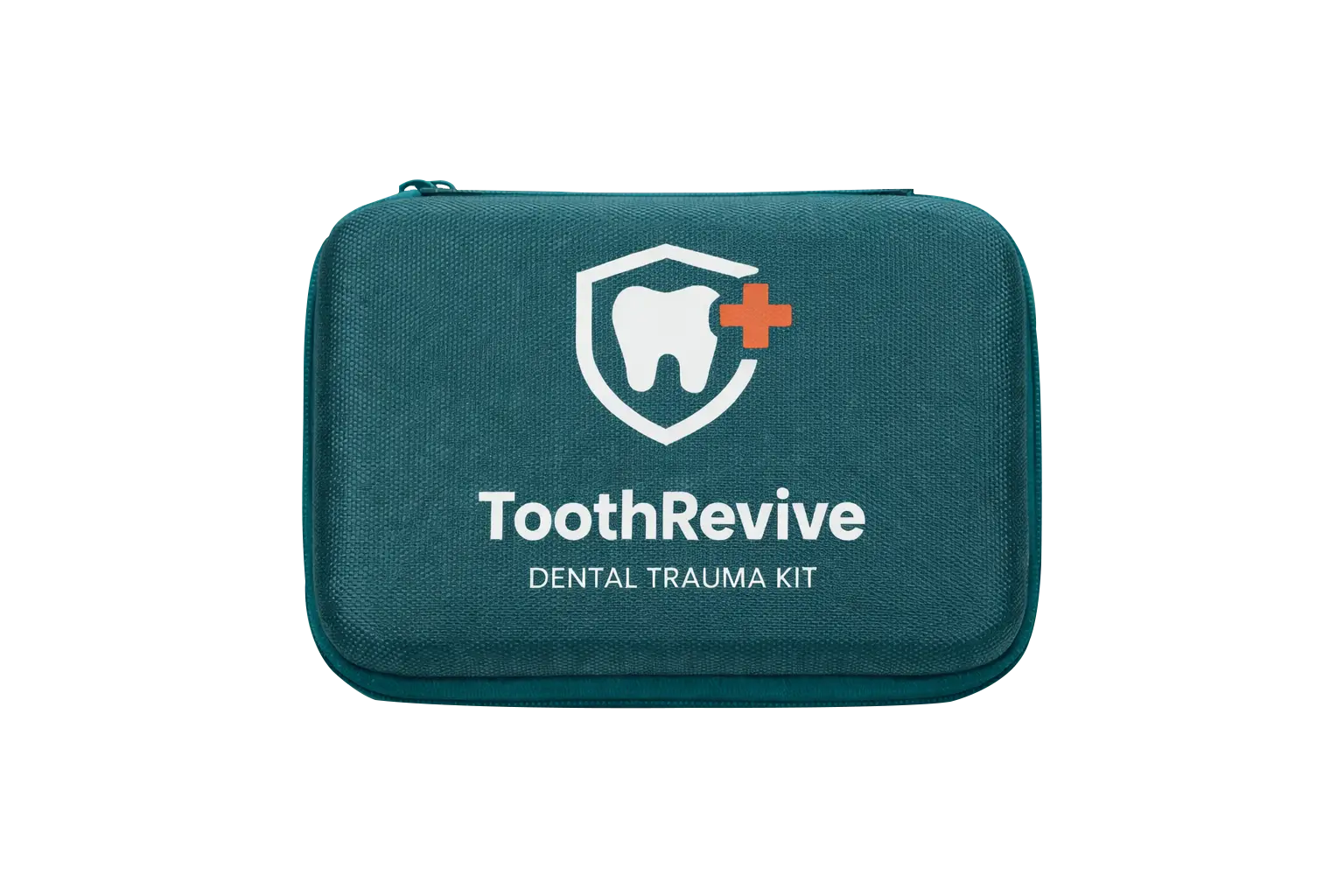
Dental injuries come up often enough in sport that it’s worth checking your first-aid provision actually covers one, rather than assuming it does. Learn about the ToothRevive Kit for clubs
This guide does not replace your club’s own policies, or assessment by a dentist or emergency service. It reflects current international and UK guidance, reviewed by Dr Yousuf Ibrahim, BDS.
About the author
General Dental Practitioner and Founder of ToothRevive
Published on dentistry.co.uk: “Dental trauma is a first aid problem, not just a dental one”, 7 October 2026.
The first few minutes can make all the difference.
Our Dental Trauma Kit contains everything you need to act fast and protect a knocked-out tooth.
Enter your email to unlock this free resource.
Clinically verified
Written by Dr Yousuf Ibrahim, a UK-registered dentist, in line with current dental trauma clinical guidelines.