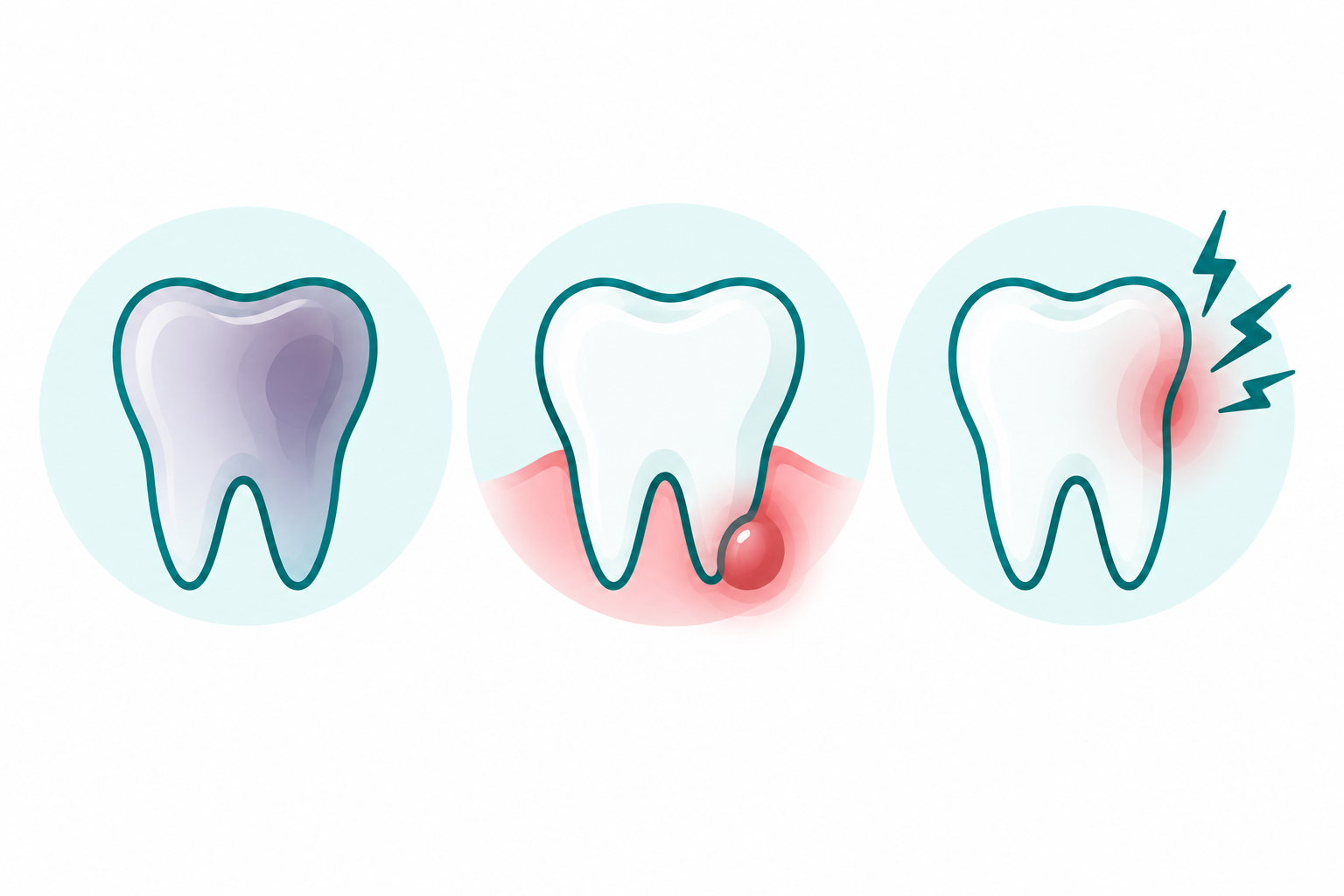
Most of us have sat through a first-aid course at some point: school, a job, a coaching qualification. We learn how to handle a cut, a burn, someone choking, even CPR. Dental trauma (a knocked-out, chipped or displaced tooth) is rarely part of that training, even though it’s one of the more common injuries children and young athletes actually experience.
What standard first aid actually covers
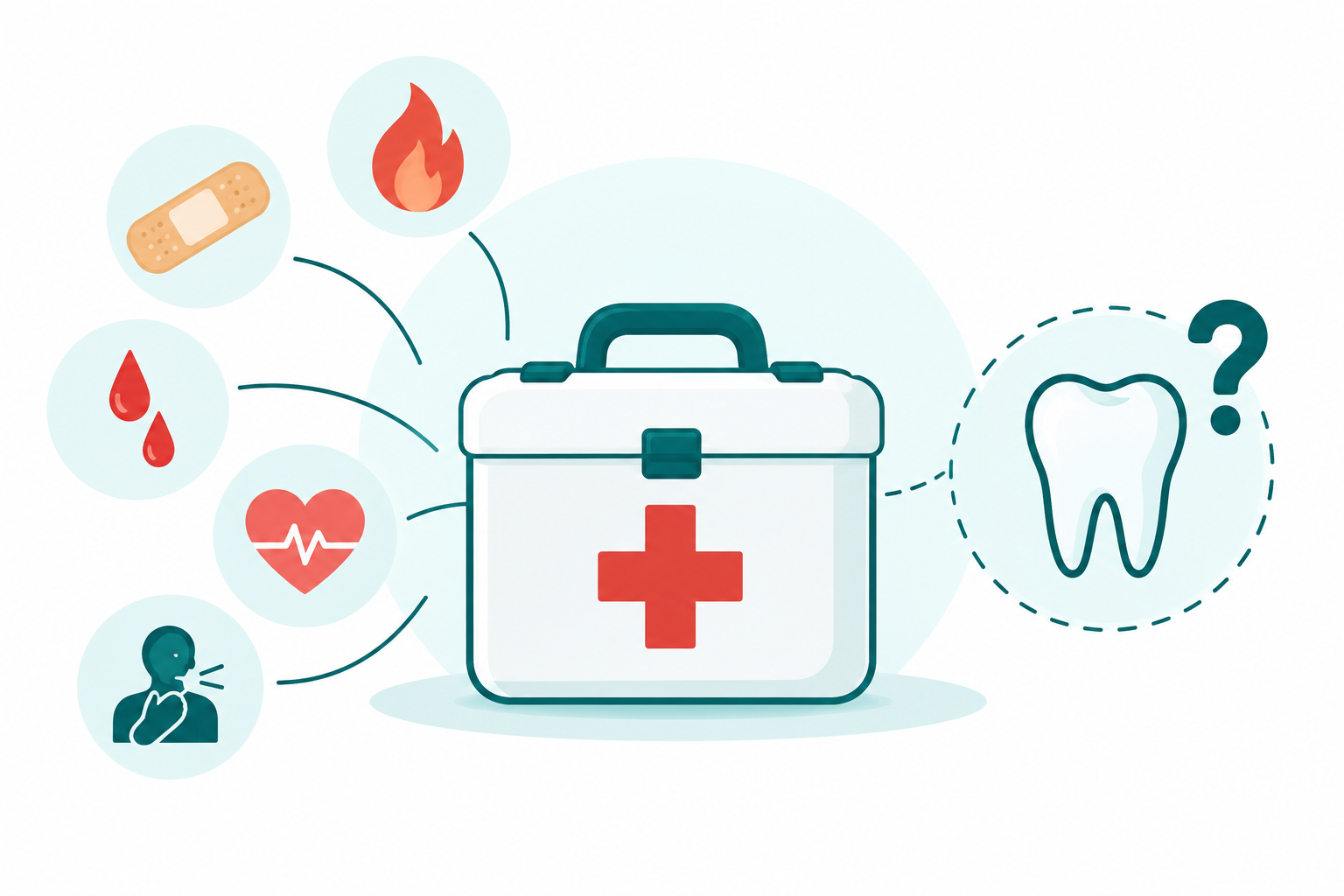
Most recognised UK first-aid courses, the kind run in schools, workplaces and sports clubs, are built around a fairly consistent core: bleeding control, burns, choking, CPR, and recognising serious illness. This isn’t a flaw in how first aid is taught. It reflects what’s most common and most immediately life-threatening across a general population. Dental trauma sits in an odd gap. It’s common enough to matter, but it isn’t typically framed as a “first aid” topic the way a cut or a burn is.
What the research actually shows
This isn’t just an impression. It’s been studied directly. Research looking at school staff and teachers has repeatedly found gaps in baseline knowledge of dental-trauma first aid, while also showing that targeted education can meaningfully improve it. In other words, the knowledge gap is real, but it’s also closable. This isn’t a case where nothing can be done about it.
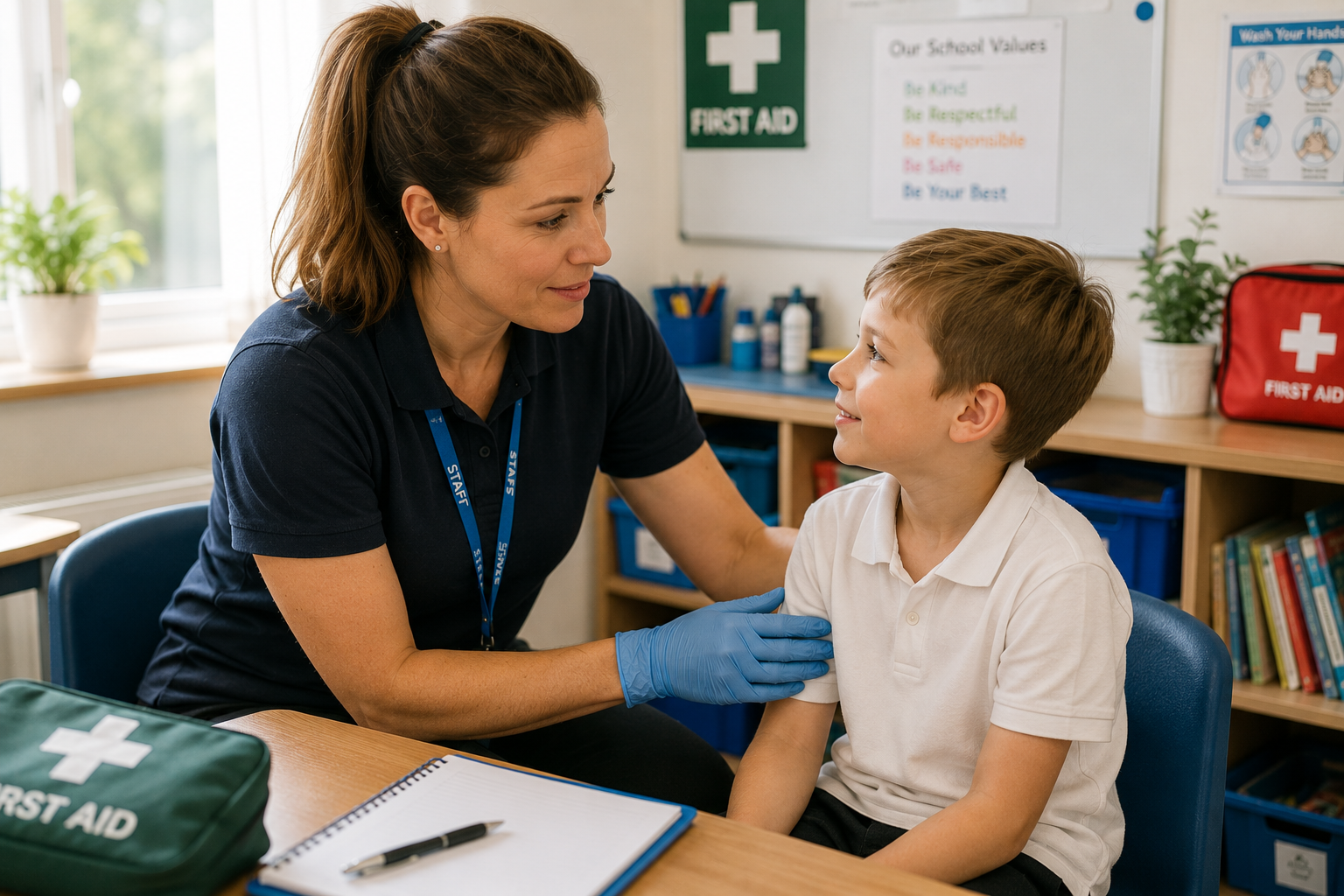
This matters because schools, coaches and parents are very often the first people on the scene when a dental injury happens, not a dentist or a paramedic. The people most likely to need this knowledge are, on average, the least likely to have been taught it.
Why this gap exists
A few reasons this has developed, rather than being anyone’s deliberate oversight:
- Dental injuries are rarely life-threatening, so they don’t get prioritised in general first-aid curricula the way choking or severe bleeding do, even though the window to save a tooth is genuinely time-critical in its own way.
- First-aid kits are built around the injuries they’re most often used for: plasters, burn gel, bandages. They’re not built around a knocked-out tooth, which needs something specific (a proper storage medium) that a standard kit simply doesn’t include.
- Dental trauma sits between specialties. It’s not covered by general first aid, and it’s not something schools or clubs think to ask their usual providers about, because it doesn’t fit neatly into either “medical emergency” or “routine health and safety.”
What this means in practice
If you’re a parent, teacher, coach or first aider, it’s worth knowing that:
- Your general first-aid training almost certainly didn’t cover this
- Your first-aid kit almost certainly doesn’t contain what’s needed for it
- The right immediate action genuinely differs from what feels intuitive (for example, most people’s instinct is to clean a knocked-out tooth thoroughly, which is actually one of the things to avoid)
None of this is really anyone’s fault. It’s a gap in how first aid has traditionally been scoped, not a failure of any individual school, club or parent.
Closing the gap
The good news is that this is straightforward to address once you know it’s there. Knowing the correct steps for the specific injury, and having the right thing on hand to store a tooth safely, covers most of what’s needed:
If you’re preparing this for a school or club rather than just yourself, see Dental Trauma First Aid for Schools or Dental Trauma First Aid for Sports Coaches.
Being ready for a gap most first-aid kits don’t cover
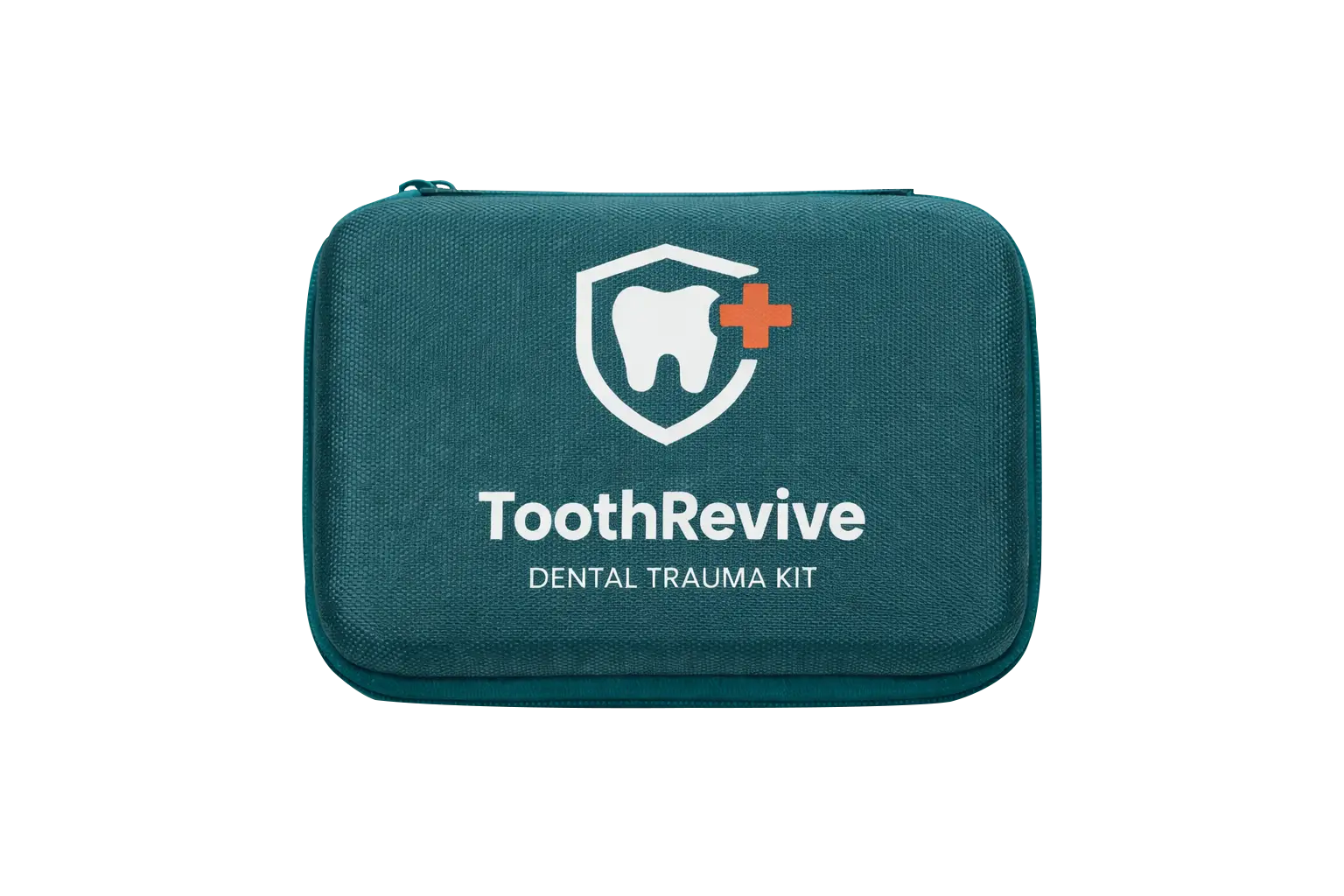
Knowing what to do is the first part. Having what you need to hand is the other. A dedicated dental trauma kit fills exactly the gap described above, the part standard first-aid provision was never built to cover. Learn about the ToothRevive Kit
References
- School-Based Interventions on Dental Trauma: A Scoping Review, PMC
- Effect of two educational interventions on primary school staff knowledge of dental trauma, PMC
- International Association of Dental Traumatology (IADT), Guidelines for the Management of Traumatic Dental Injuries, 2020 (current as of August 2026)
This guide does not replace assessment by a dentist or emergency service, or your organisation’s own first-aid policy. It reflects current available research and guidance as at 26 September 2026, reviewed by Dr Yousuf Ibrahim, BDS.